You buy a bag of avocados on Saturday and by Wednesday they are all ready at once. Or you leave nectarines on the windowsill, forget them for two days, and come back to fruit collapsed in its own juice. Ripening runs to its own timetable unless you intervene. Four methods do almost all the work in a normal kitchen: the counter, the fridge, a paper bag, and a paper bag with a ripe banana in it. They differ in speed, obviously, but the more interesting differences are in flavour and in which fruits they actually suit. Get the pairing right and you stop losing fruit to the bin.
Ripening is not the same as going off
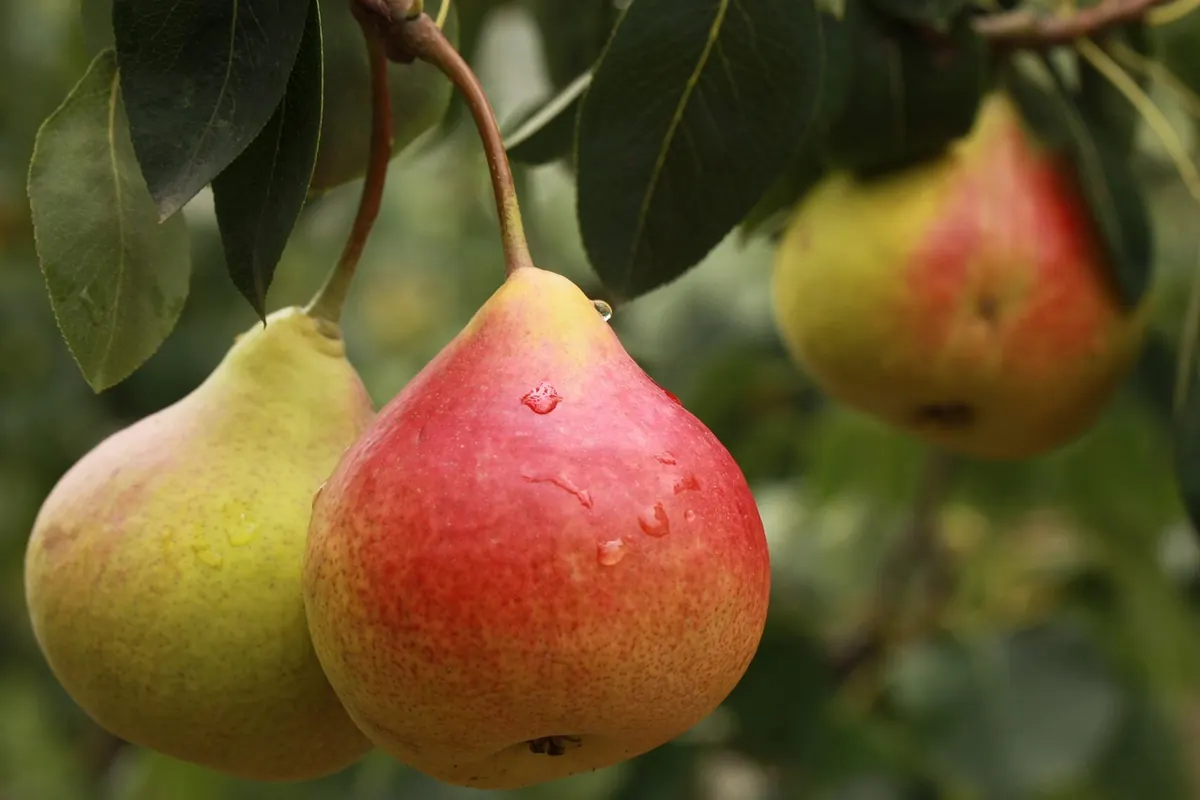
Fruit that continues to ripen after picking is called climacteric. Bananas, apples, pears, avocados, tomatoes, mangoes, peaches, nectarines, plums, apricots and kiwis all belong to this group, and all of them release ethylene gas as they go. Ethylene is what turns a hard pear soft and a green tomato red, and it works on neighbouring fruit too — which is why one ripe banana can shift a whole bowl.
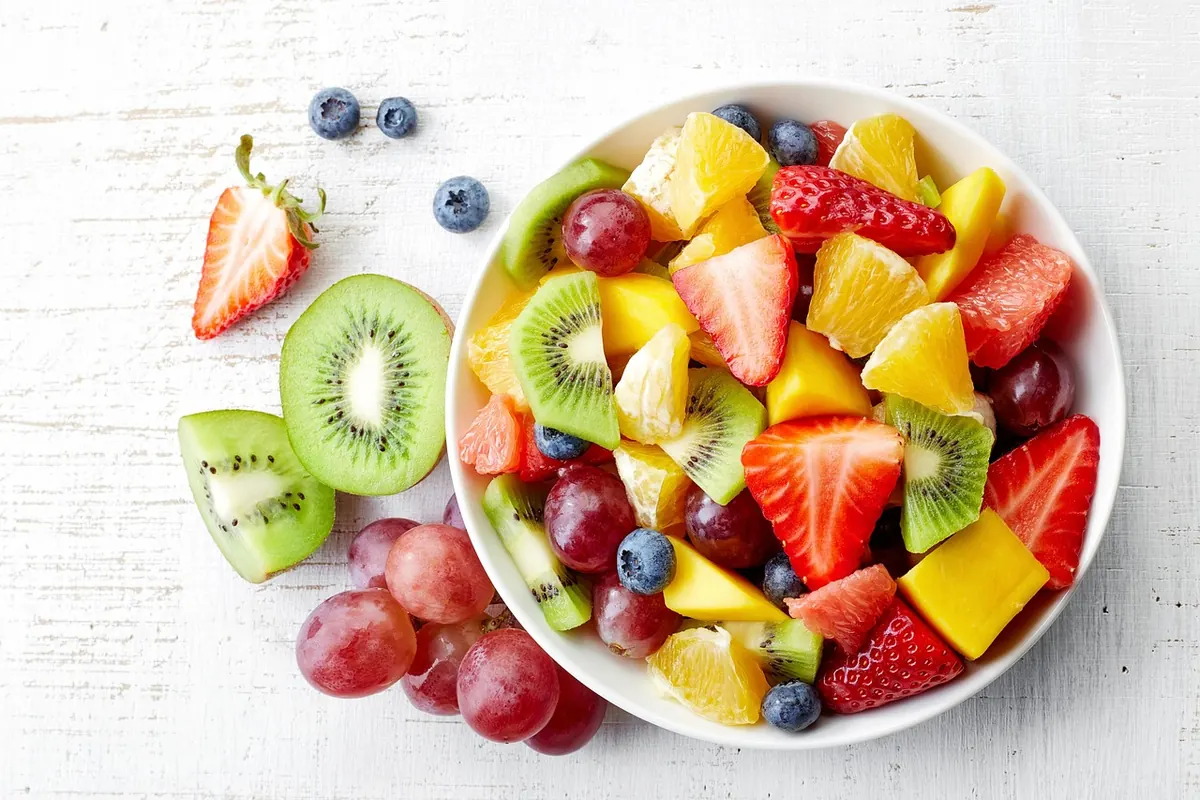
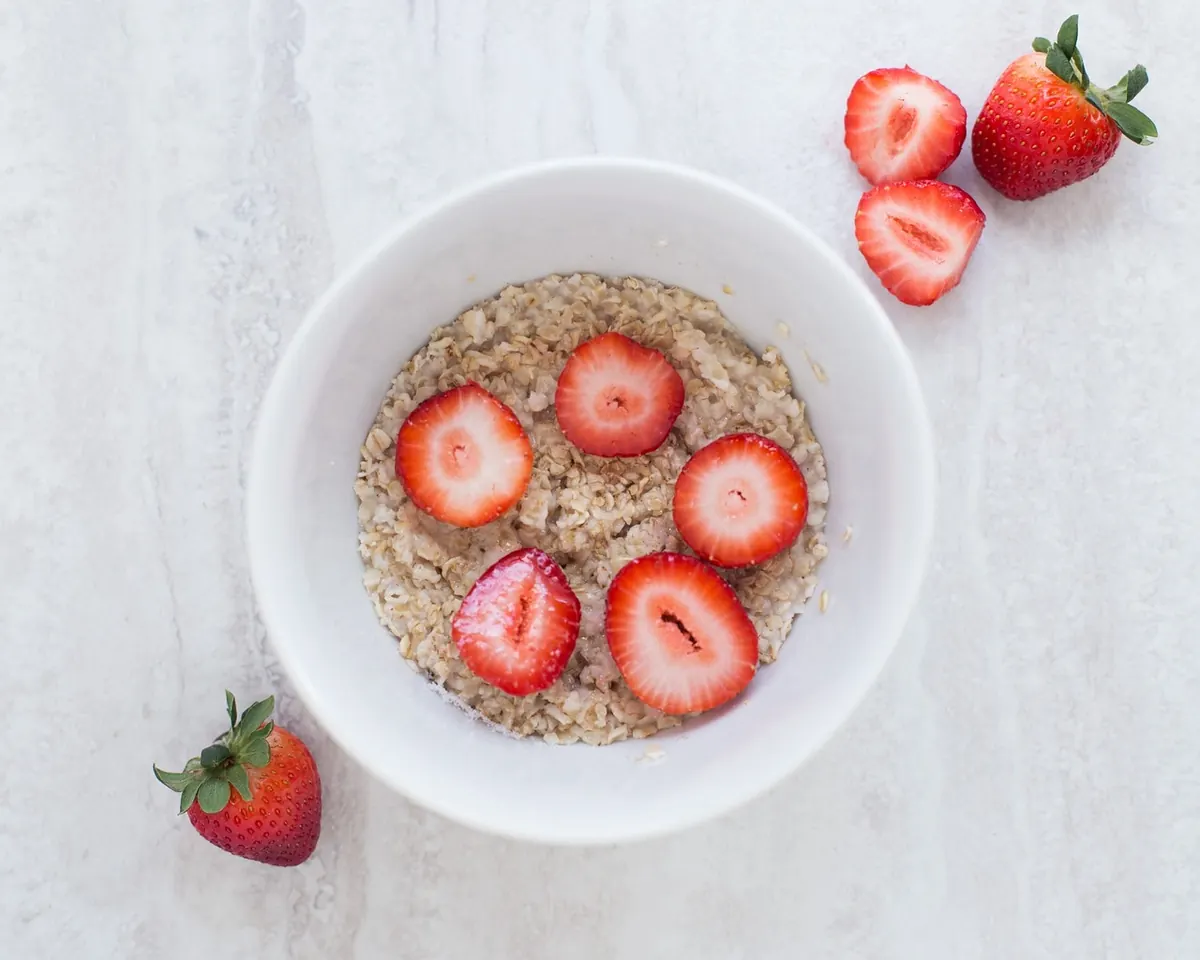
Fruit that does not ripen further once picked is non-climacteric: strawberries, raspberries, blueberries, cherries, grapes and citrus. These are as sweet as they will ever be when you buy them. Left on the counter they do not improve; they soften, shrivel and eventually grow mould. For these, the fridge is the only sensible answer.
So the first question is never "how do I ripen this?" but "will this ripen at all?"
The four methods side by side
- Counter: room temperature, air moving around the fruit, no bag. Ripening proceeds at roughly its natural pace and flavour develops properly. The default for whole fruit that needs to soften.
- Fridge: cold slows both ripening and decay. It does not ripen anything; it presses pause. Useful for holding ripe fruit, damaging for unripe fruit that still needs to develop.
- Paper bag: traps the ethylene the fruit is already giving off and keeps the surrounding air humid, so ripening speeds up. Roll the top loosely rather than sealing it.
- Paper bag with a ripe banana: the same principle with a concentrated dose of ethylene added. Fastest of the four, and the one to reach for when you need something ready tomorrow.
Never use a plastic bag or a sealed tub for this. Trapped moisture and no airflow is how you grow mould rather than ripe fruit.
Speed: what to expect
As a rough guide in a UK kitchen at around 18–21°C, a firm avocado on the counter takes three to five days to become usable, a hard pear three or four, and a supermarket tomato two or three. Fruit bought in winter, when kitchens sit cooler, takes longer; a heatwave does the opposite.
A paper bag can knock a day or two off those times. Add a ripe banana and an avocado can go from rock-hard to ready in a day or two, sometimes overnight if it was already close.
The fridge is a different kind of tool. It will hold a ripe avocado for a few days, keep berries in good condition far longer than the counter would, and stop a ripe pear collapsing mid-week. But a hard avocado put in the fridge on Monday will still be hard on Friday, and may never ripen properly afterwards. Cold does not ripen fruit; it only delays the decision.
Flavour: where the fridge lets you down
Ripening is a set of chemical changes: starch turning into sugar, acids dropping away, aroma compounds forming. Most of that work happens faster and more completely at room temperature.
Fruit that hates the cold
Chill a tomato for a week and the texture turns mealy while the aroma dulls; it will not recover on the counter afterwards. Peaches and nectarines behave much the same way, going grainy rather than juicy. Bananas blacken and turn soft-skinned, avocados develop brown patches and stringy flesh, and basil wilts and blackens.
Fruit that is happy in the fridge
Berries, grapes, cherries and citrus take cold without complaint and last far better for it. The practical rule is simple: ripen at room temperature, then chill to hold. Fruit that ripens in the warm and spends a day in the fridge tastes better than fruit that spent its whole life cold.
The banana trick, done properly
A ripe banana is the strongest ethylene source in most kitchens, and you do not need to sacrifice the whole fruit — the skin alone will do the job.
- Use a banana that is yellow with a few spots. A green one gives off very little.
- One banana per bag is plenty. Two just crowds the fruit and traps moisture.
- Keep the bag loose and check it at least once a day. Once the fruit is ready, take the banana out or it will keep pushing things along.
- A ripe pear or an apple works as a substitute if the fruit bowl is out of bananas.
- Discard anything that has started to grow mould. It spreads quickly, and the ethylene will drag its neighbours along with it.
Best fruits for each method
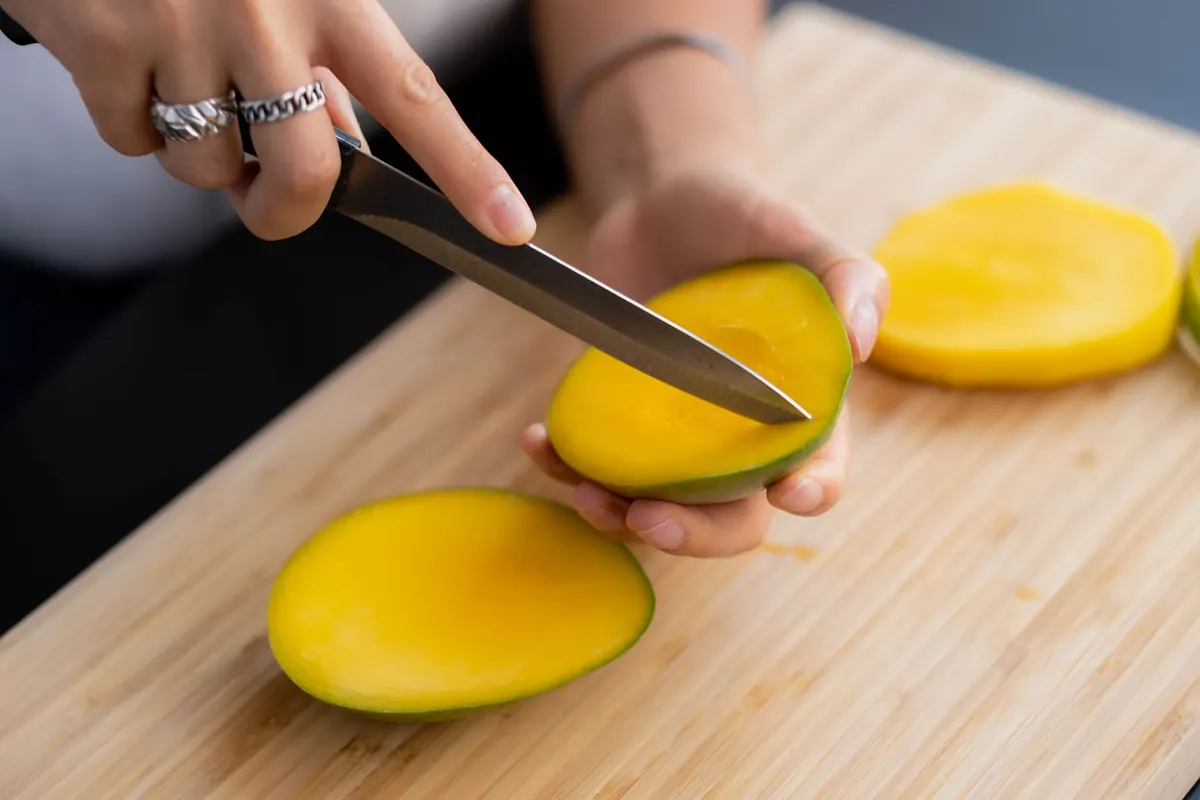
- Counter until ripe: bananas, avocados, tomatoes, pears, peaches, nectarines, plums, apricots, mangoes, kiwis.
- Fridge as soon as you get home: strawberries, raspberries, blueberries, cherries, grapes, figs.
- Straight to the fridge once ripe: everything in the first group, plus any cut fruit.
- Paper bag: pears, kiwis, hard peaches, mangoes, avocados — anything firm that needs to move along.
- Bag plus banana: avocados above all, plus mangoes and stubborn stone fruit.
- No method will help: citrus, pineapple, strawberries and raspberries. Buy them ripe and eat them soon.
A routine that takes four minutes a week
- When you unpack the shopping, split it in two: fruit that will ripen, and fruit that will not. The second group goes straight into the fridge.
- Spread the first group out on the counter in a single layer. Piled-up fruit bruises and traps moisture.
- Press each one gently near the stem every day. Softening there means it is close.