By August, most British growers are drowning in courgettes and hunting for neighbours to take the surplus. By March, the same plot offers purple sprouting broccoli, a few leeks and an awful lot of patience. Everything that ripens in between follows a rhythm that shifts with the weather, the region and the variety, but it is predictable enough to plan around. This is a working calendar for the UK growing year, with notes on how to store each crop when it arrives all at once.
Spring: Rhubarb, Wild Garlic and the Hungry Gap
Forced rhubarb is the first real treat of the year. Grown in darkness, whether in the Yorkshire sheds or under an upturned bucket in a home garden, it is ready from January and comes up pale, tender and sweet. Outdoor rhubarb follows in April, and an established crown will keep cropping until midsummer. Stop pulling in July so the plant can recover, and cut off the leaves before cooking: they are not edible.
The hungry gap runs roughly from March to May, when last year's stores are finished and this year's crops are barely up. Purple sprouting broccoli fills it in February and March, followed by wild garlic in woodland, spinach, chard and spring cabbages. Asparagus begins in late April; the old rule is to cut from St George's Day until midsummer, and to leave the spears alone entirely during a plant's first couple of years.
Early Summer: Soft Fruit, Pods and the First Salads
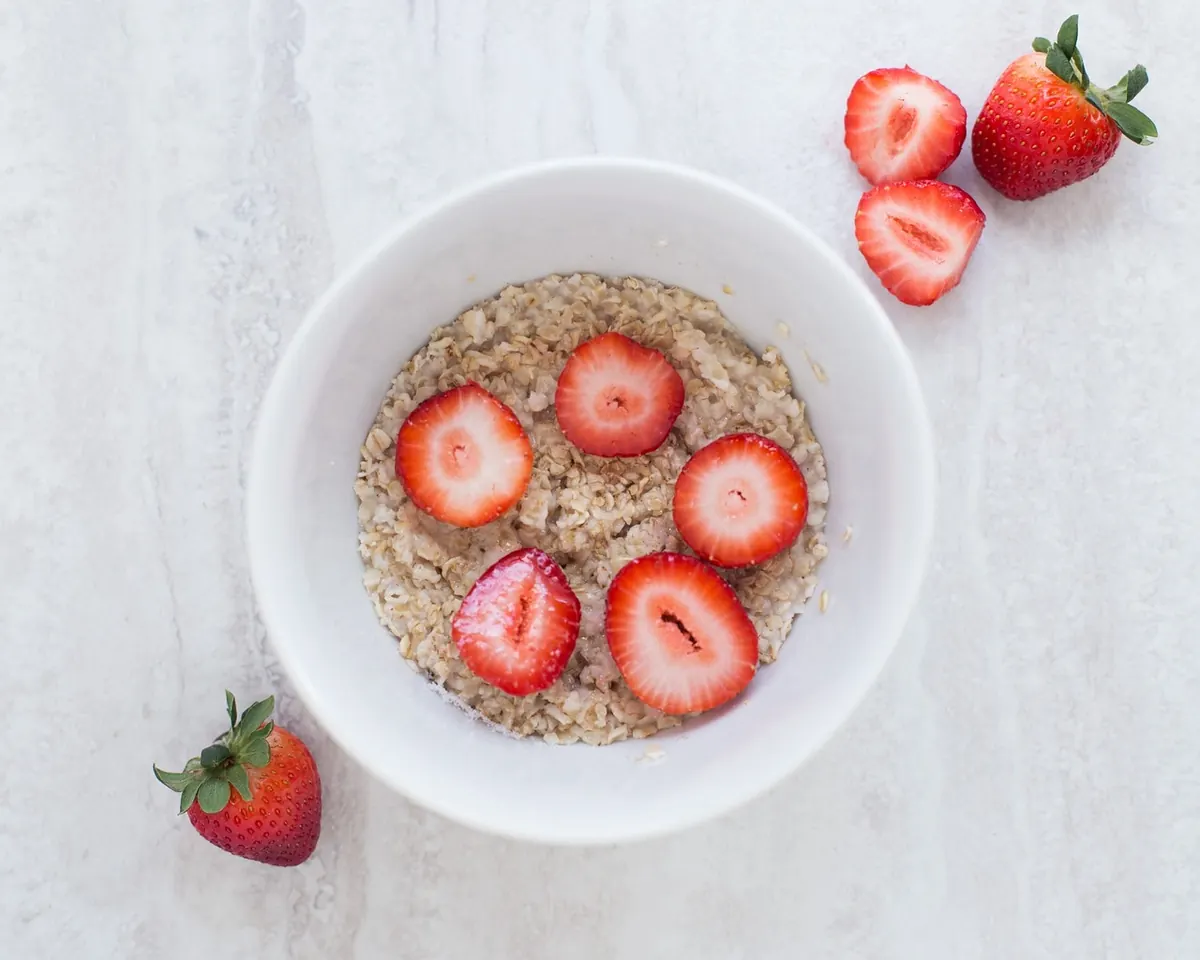
Late May and June belong to strawberries. Under cover you will pick from mid-May; outdoors, the main flush arrives in June, with everbearers carrying on into September. Gooseberries are the most useful of the early soft fruit because they can be picked twice: hard and green in June for cooking, soft and sweet in July for eating straight from the bush. Broad beans and early peas arrive together, best picked while the pods are still glossy and the beans inside small.
Also worth watching in June: salad leaves for cut-and-come-again picking, radishes, beetroot, cherries towards the end of the month, and summer-fruiting raspberries, which crop on last year's canes.
Midsummer: Courgettes, Beans and the Glut
By July the table turns. Courgettes should be cut at 10–15cm; leave one to swell into a marrow if you like, but the plant will slow down while you do. Runner beans crop from July until the first frosts if you keep picking, and the pods are sweetest before the seeds inside begin to swell. French beans, cucumbers, outdoor tomatoes and the first sweetcorn follow. Garlic comes up in July, once the leaves yellow and flop.
Judging ripeness in the glut months
Sweetcorn is ready when the silks turn brown and a peeled-back husk reveals plump, milky kernels; clear, watery ones need longer. Tomatoes and peppers build their flavour with warmth and light, so leave fruit on the plant until it colours fully rather than ripening it on a windowsill, unless the season is running out. Plums, greengages, blueberries and blackcurrants all land in July and August.
Late Summer to Early Autumn: Apples, Pears and Squash
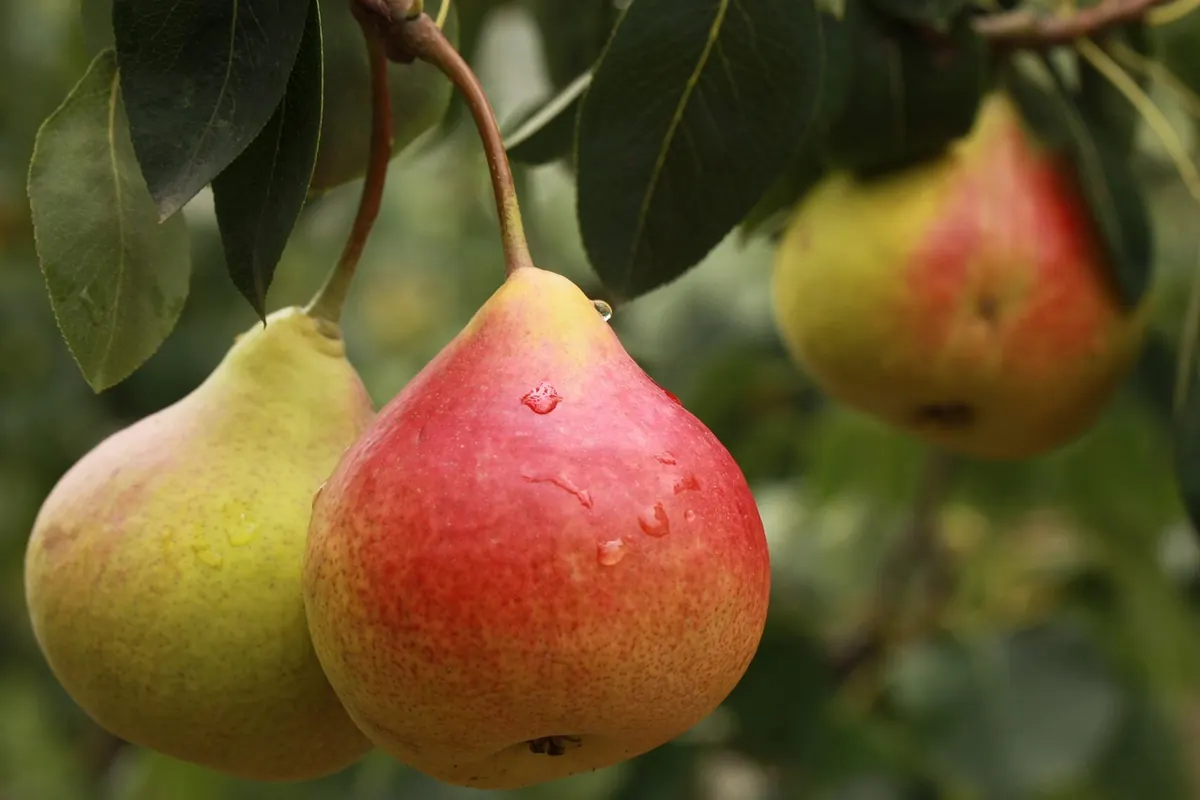
August is early apple month: Discovery, Beauty of Bath and other varieties that will not keep. The main apple harvest runs from September to late October, with the good keepers such as Bramley, Egremont Russet and Ashmead's Kernel coming last. Pears are picked slightly under-ripe and finished indoors, Conference in September and later varieties into October.
September also brings damsons, blackberries, early plums and cobnuts. Winter squash and pumpkins should be harvested before the first hard frost, when the skin has hardened and the stalk has begun to cork over. Sloes are traditionally picked after the first frost, though a night in the freezer does the same job.
Autumn and Winter: Roots, Brassicas and the Store Cupboard
From November the fresh harvest narrows to roots and greens, but the quality does not drop so much as change. Parsnips, Brussels sprouts, kale and leeks all taste sweeter after a cold snap, because the plants convert starch to sugar. Leave parsnips and Jerusalem artichokes in the ground and lift them as you need them, provided the soil is not frozen solid.
Indoors, this is when stored apples, onions, squash and potatoes earn their keep, and when forced rhubarb begins again in January. February brings purple sprouting broccoli and the first outdoor rhubarb, and the wheel turns.
How to Store Each Crop
Ripeness and shelf life are different problems. A ripe fruit is at its peak; how long it stays there depends on temperature, humidity and what it is sitting next to.
- Apples and pears: store at 2–4°C in the dark, ideally with the fruit not touching. Apples give off ethylene, which speeds up ripening in everything nearby, so keep them away from greens, carrots and other fruit. Check weekly and remove any that have gone over.
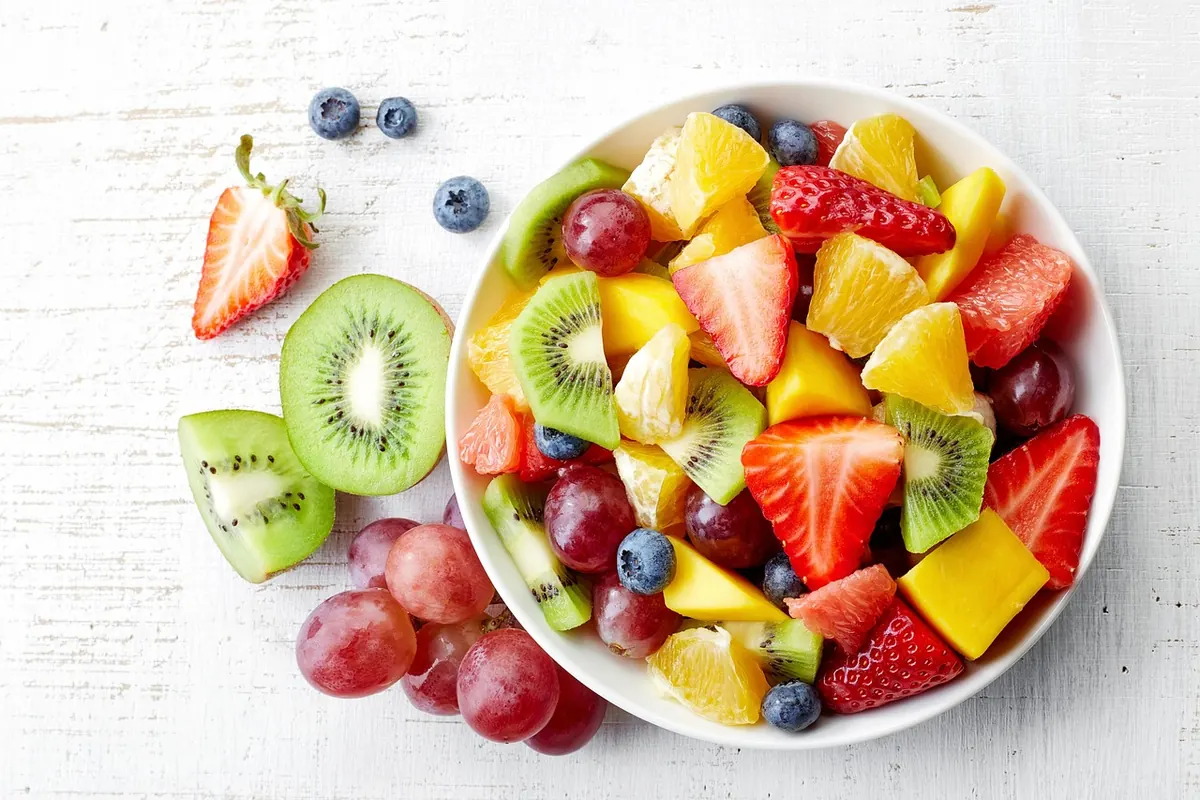
- Soft fruit: fridge in a single layer, unwashed. Wash only just before eating. To freeze, spread berries on a tray first, then bag them, so they stay separate.
- Rhubarb and asparagus: rhubarb keeps a fortnight wrapped in the fridge; asparagus is best eaten within two or three days and lasts longer standing upright in a jug with a little water.
- Onions, garlic and shallots: cure somewhere warm and airy until the skins rustle, then store cool and dark. Never store them with potatoes, as each encourages the other to sprout.
- Potatoes: a paper sack in a cool, dark cupboard rather than the fridge, where the starch turns to sugar.
- Winter squash and pumpkins: cure for a week or two in warmth, then keep cool and dry. A sound squash will sit for months.
- Root vegetables: sand boxes, clamps or a cool shed. Carrots and parsnips left in the ground need protection from slugs.
- Tomatoes: room temperature, out of direct sun, stem side up. Refrigeration dulls the flavour.
Making the Calendar Work in Your Garden
Treat these dates as a map rather than a timetable. A garden in Cornwall can run three weeks ahead of one in Aberdeenshire, a south-facing wall can bring a crop forward by a fortnight, and a wet summer pushes everything back. The most useful thing you can do is keep a notebook: when each crop ripened, how it tasted, how long it kept. After two or three years you will have a calendar that fits your plot better than any general guide.
If you forage for wild garlic, blackberries or sloes, take a good identification guide with you. Wild garlic leaves are easily confused with those of lily of the valley and other plants you do not want on the plate. When a glut arrives, deal with it the same day: freeze it, bottle it, turn it into chutney or give it away. Ripeness does not wait.
Photo: dariasophia / Pixabay