Buy a bunch of bananas on Monday and you usually have a plan. One for breakfast, one for lunch, a couple for the weekend. By Wednesday the plan is brown and squishy and the fruit bowl smells faintly of beer. Nothing has gone wrong with your shopping. You have just met ethylene, the gas bananas make themselves.
Once you understand how it behaves, storing bananas stops being a matter of luck. You can hold a bunch at peak ripeness for days, or push a stubborn green one to ready by teatime.
What ethylene actually is
Ethylene is a colourless, odourless gas, and it is also a plant hormone. Plants use it to coordinate ripening, and the changes we think of as "going ripe" — softening, sweetening, colouring up, developing aroma — are all switched on by it. It is not a spoilage gas and it is not a sign that something has gone off. It is a signal.
The important part is that ethylene is self-accelerating. Ripening fruit releases ethylene; ethylene makes the fruit ripen faster; faster ripening releases more ethylene. A tiny amount sets off a cascade. Because the gas drifts through the air, one ripe fruit can nudge its neighbours along too, which is why a bowl of mixed fruit can seem to turn all at once.
Why bananas are the worst offenders
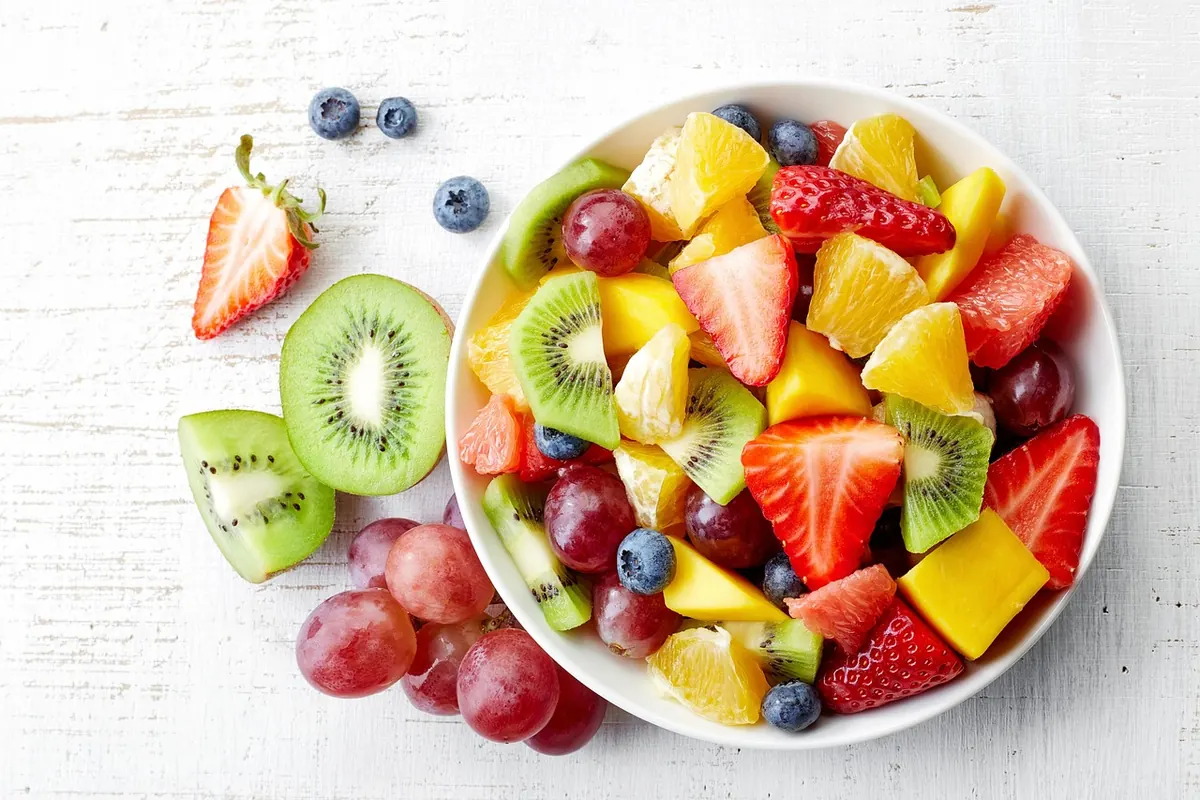
Bananas belong to a group of fruit, called climacteric, that carry on ripening after they are picked. Strawberries, grapes and citrus do not really do this — once they are off the plant, that is roughly as good as they get. Bananas are different. They are harvested mature but green and firm, then shipped, and a great many are ripened deliberately in special rooms filled with ethylene gas before they reach a shop. It is the same gas the fruit would have made by itself, just applied on a schedule.
Two things make bananas unusually quick to turn. First, a banana at room temperature can move from perfectly ripe to over-ripe in less than a day, because most of the starch has already converted to sugar and there is little left to slow the process. Second, bananas release a lot of their ethylene from the crown — the thick joined stem at the top of the bunch.
The crown is the hub
When bananas are still attached to each other, the crown acts as a shared chimney. Ethylene gathers there and spreads from one fruit to the next, so the whole bunch tends to ripen in step. Bruises and nicks in the skin release extra ethylene as well, which is one reason a knocked-about banana browns before its neighbours.
Why separating a bunch helps
Break the bunch apart and you break the shared air pocket. Each banana now ripens largely on its own clock rather than in a chorus, so you are less likely to face six identical brown bananas on the same morning. You also get a bit of a buffer: the firmer ones can sit a day or two longer while you eat the ripest.
There is a trade-off. Tearing a banana off the crown wounds the tissue, and a wound browns and can release a little extra ethylene right at that spot. So separate them gently and early, ideally the day you bring them home, either by snapping cleanly at the join or cutting with a knife so each banana keeps a small stub of crown attached.
The cling film compromise
If you would rather keep the bunch intact, wrap the crown tightly in cling film. The idea is to slow the escape of ethylene from the point where most of it is produced. Many people find it buys a day or so; results vary with how ripe the bananas already are, so treat it as a cheap experiment rather than a guarantee.
How to slow browning at home
- Let them ripen on the counter, then chill them. Cold slows ripening, but it stops green bananas ripening altogether and blackens their skins, leaving hard, starchy flesh. Keep them at room temperature until they are as ripe as you like, then move them to the fridge.
- Expect dark skin in the fridge. The peel will blacken within a day or two, but the flesh inside stays firm and sweet for several days longer. Judge by touch and smell, not colour.
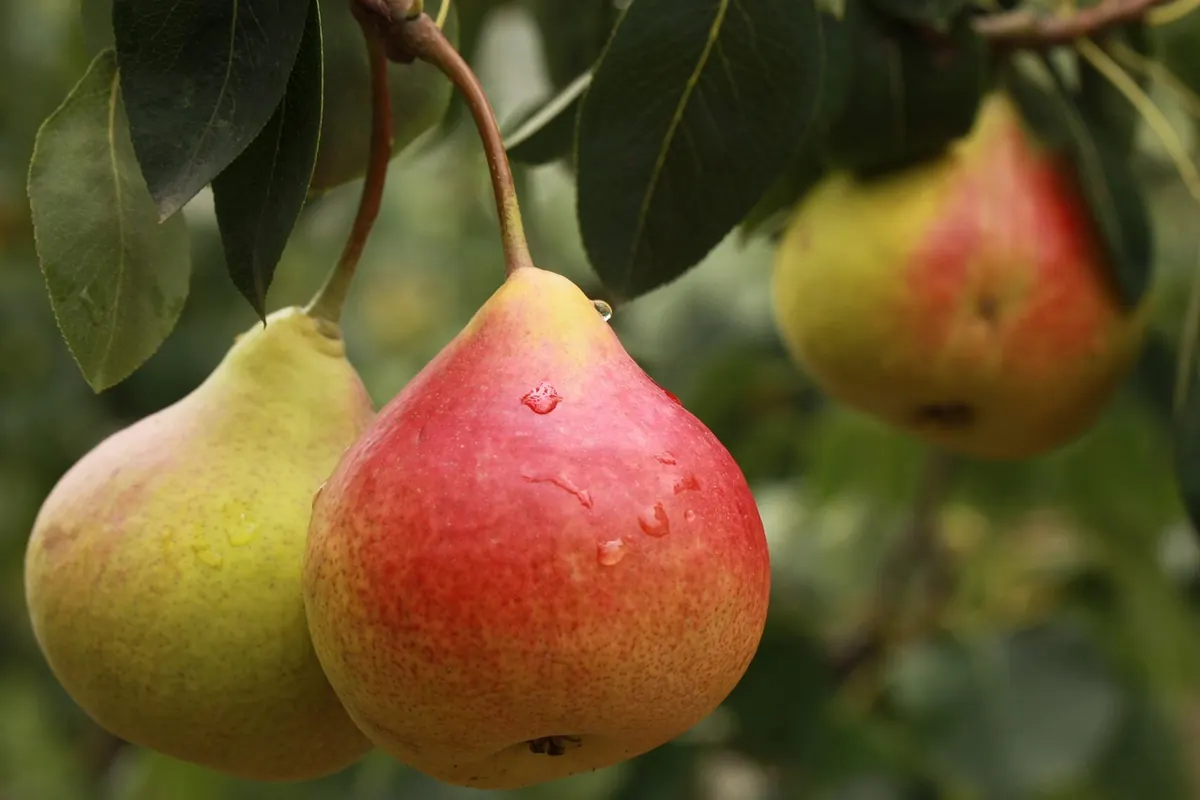
- Keep them away from other ripeners. Apples, pears, avocados, tomatoes, melons and stone fruit all release ethylene. Store bananas apart from them.
- Hang them up. A hook or a stand keeps bananas off the worktop, reduces pressure bruises along the sides and lets air move around them.
- Handle them gently. Every dent is a small ethylene factory.
- Buy at different stages. If you eat one a day, choose a bunch with some green tips plus a couple that are ready now. That mix does more for you than any gadget.
- Try an ethylene absorber. Fridge drawers often have a small sachet or filter designed to mop up ethylene. It helps a little, mostly with other produce.
How to speed ripening up
When you need a green banana to be ready, work with the gas rather than against it. Put it in a paper bag and fold the top loosely closed. The bag traps ethylene around the fruit while still letting a little moisture escape, which matters — a sealed plastic bag traps water instead and invites mould.
To hurry things along further, drop a ripe banana or an apple in with it. Check every few hours; a banana in a bag with a ripe companion can move noticeably in half a day. A warm spot helps too, but keep it out of direct sun and off radiators, since real heat turns the flesh to mush without improving the flavour.
For baking, you can skip the waiting game entirely. Roast whole unpeeled bananas in a low oven until the skins are black and glossy, then scoop out the flesh. The result is softer and more intensely flavoured than a counter-ripened banana, which is exactly what banana bread wants.
When brown isn't about ethylene
Not every brown mark is ripening. Chilling damage blackens the peel through cell injury, not through the ripening process, and a knock does something similar in one spot. Cut surfaces brown because enzymes in the flesh react with oxygen in the air — that is why a sliced banana darkens even in the fridge.
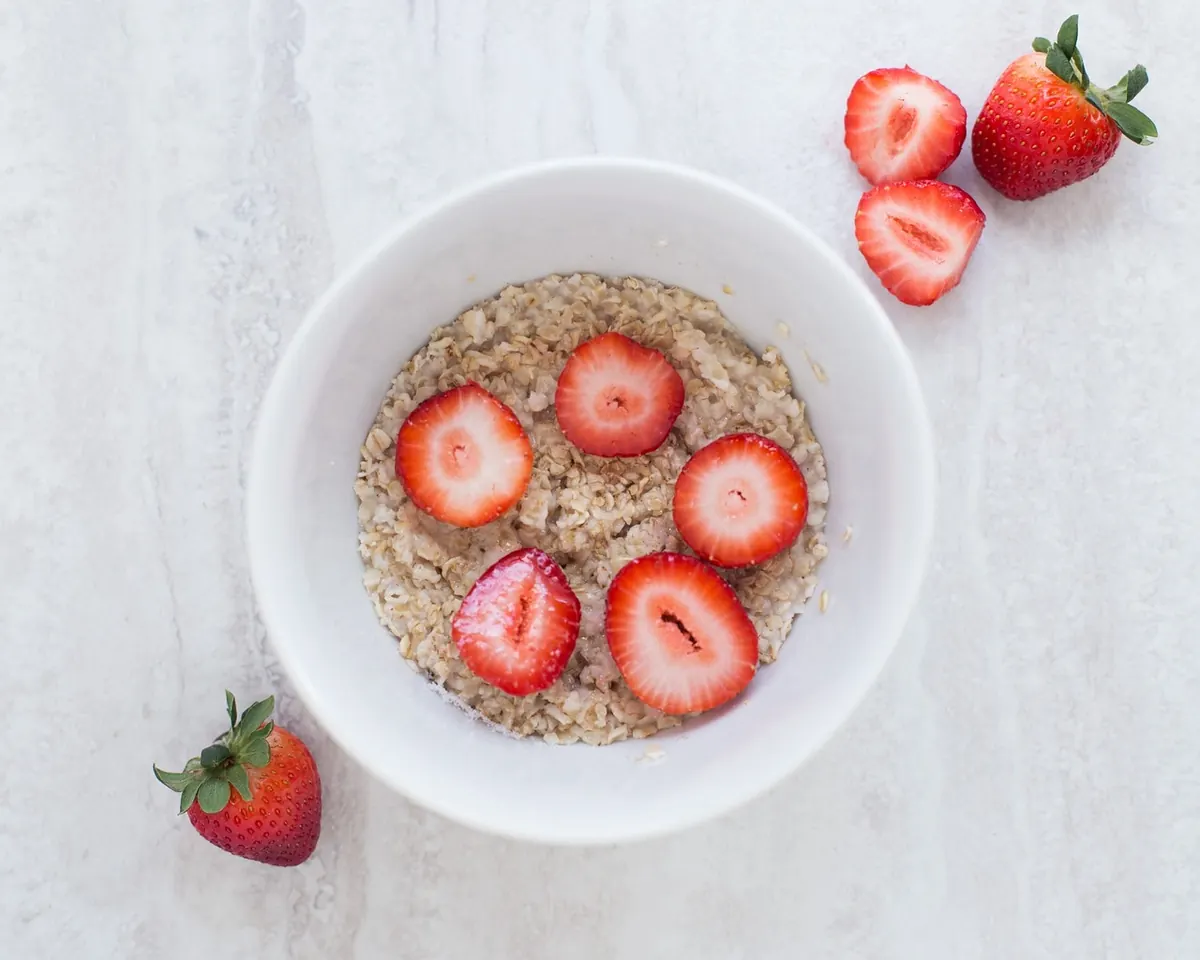
The useful takeaway is that a black banana skin tells you very little about the flesh. Peel it. If it smells sweet and looks creamy, it is fine to eat, to mash into porridge, or to freeze in chunks for smoothies.
A routine that works
Bring the bunch home and separate it if you can. Hang the bananas somewhere airy, away from the apple bowl. Wrap the crown if you want a small head start. Let them ripen at room temperature and eat them in order of ripeness, ripest first. When the last few reach your ideal point, move them to the fridge and accept the black skins as the price of several extra days. Anything you will not get through, peel and freeze the same day.
That is the whole system: work with the ethylene instead of being surprised by it, and you will throw away far fewer bananas.
Photo: FOX ^.ᆽ.^= ∫ / Pexels